

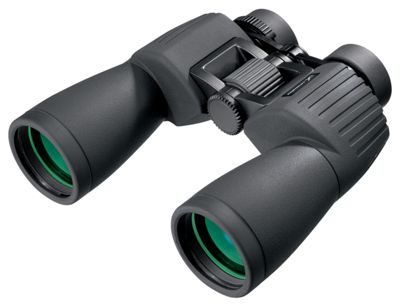
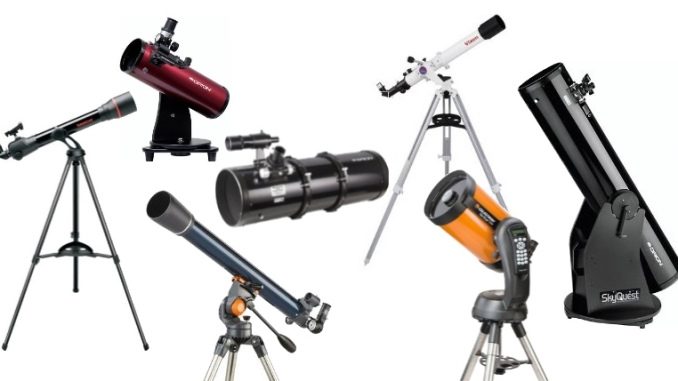






Before purchasing a telescope, consider buying a pair of binoculars as your first optical aid for astronomy. But what is the right pair of binoculars for you, and what does that “10×50” on the side of the binocular housing mean anyway? Choosing the right pair of night-sky binoculars can be confusing because you have to consider several factors including how steady you can hold them. The 3 links below will help you better understand the factors to consider before making that binocular purchase as well as how to use and adjust your binoculars.
Binoculars Binocular Basics
Guide to Choosing Astro-Binoculars
For a well-written article from the folks at Sky & Telescope that is loaded with information about the different types of telescopes, telescope mounts, and decisions to be made in purchasing a telescope click/tap on this link.
For some wise advice on what to avoid when buying a telescope, click/tap on this link.
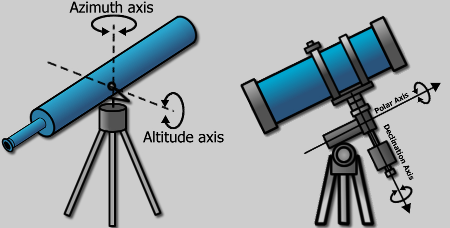
A telescope mount is as important as the optical tube itself. So which type of mount should you get? And how do you polar align and operate one of those German equatorial mounts?
The links below are helpful in answering these questions:
Polar Aligning an Equatorial Mount
How to Use a German Equatorial Mount
There is also a wide selection of many “go-to” tracking mounts available for the amateur astronomer, and each one comes with its own unique operating instructions.
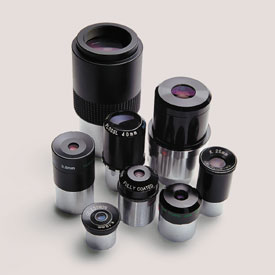
Although telescopes gather light from the object(s) in its field of view, it’s the eyepiece, not the telescope, that magnifies the image at the focal point! Larger aperture telescopes gather more light.
Determining what eyepiece (ocular lens) to use for a particular celestial object requires a basic knowledge of how to calculate the eyepiece’s magnification and field of view, as used in your specific telescope. The two documents, linked below, explain those “formulas” and more quite well.
There are many factors to consider when choosing what magnification (eyepiece) to use with your telescope for observing the many different types of celestial objects in our skies. And frequently the highest magnification is not the best choice for your selected object. The folks at Sky & Telescope share their expert advice on what you should consider when choosing a magnification that is right for your observing situation at this link.
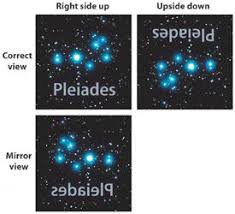
Learn why the image in your telescope appears incorrectly oriented and what, if anything you can do about it. Click here.
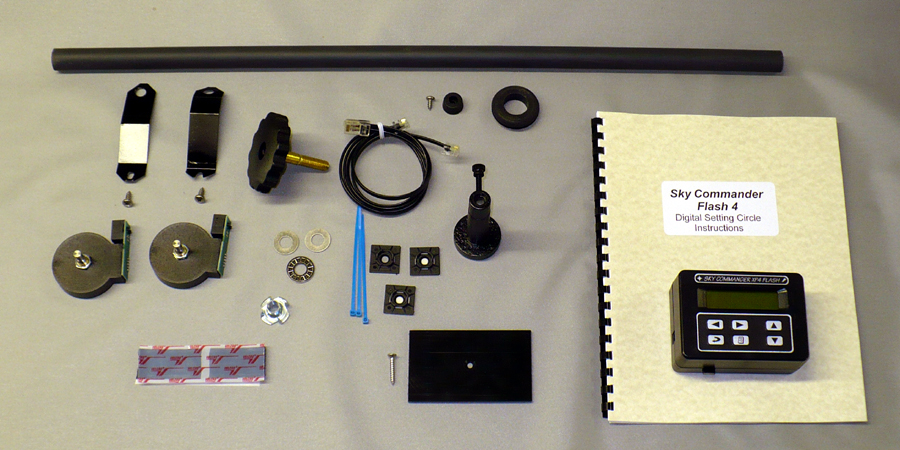
Digital setting circles (DSCs) make locating celestial objects in the night sky much easier, especially faint objects or when observing in light polluted areas. The Astronomy Club of Asheville presentation below explains just how DSCs work and more.
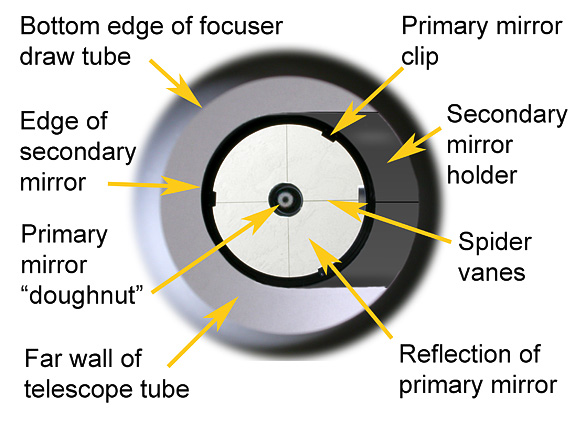
Properly aligned optics are important for a crisp view of celestial objects. The two links below provide a good discussion and illustration of the process for a Newtonian Reflector:
How to Align Your Newtonian Reflector
For a guide to collimating your Newtonian or Schmidt-Cassegrain telescope without tools, the folks from Sky & Telescope document a special procedure at this link.
Although there are numerous collimation tools, including Cheshire collimation eyepieces and laser collimators, the use of a relatively inexpensive “collimation cap” may be all you need to perform a reasonably precise mirror alignment for your Newtonian reflector. These caps are available from vendors, like the one at this link.
Keeping your telescope, binoculars and eyepieces in tip-top condition doesn’t have to be intimidating or time consuming. Below are links to two articles from Sky & Telescope that provide excellent instructions on how to care for your optics.
Cleaning Your Newtonian Optics
The link below provides a great guide for folks both new to and experienced with astro- photography. This file is a large “pdf” file (10.6 MB) that you may open here and then save to your computer, but it takes a few moments to load. Although it talks about CCD cameras, this guide is also most useful for those using the newer CMOS cameras.
Astronomy Club of Asheville member Ken Westall gave this presentation at the link below during our December 2011 club meeting. It covers the basics of CCD (charge-coupled device) astronomy imaging: the equipment, the proper set up, and the methods and techniques. Although it talks about CCD cameras, this presentation is also most useful for those using the newer CMOS cameras.
Astronomy Club of Asheville member Ken Westall gave this presentation at the link below during our January 2014 club meeting. It describes how he automated his CCD astronomy imaging so that he can now sleep while his telescope and camera are busy working through the night! Although it talks about CCD cameras, this presentation is also most useful for those using the newer CMOS cameras.
The Sky & Telescope article at this link, provides some very useful tips on how to capture striking photographs of deep-sky objects above landscapes in a single exposure. The author is a world-renowned nightscape photographer whose beautiful images are widely published.
The Sky & Telescope article at this link, provides tips and tricks to improve your nightscape pictures.
The Sky & Telescope article at this link, provides excellent advice and tips on how to capture high-resolution images of the planets.