
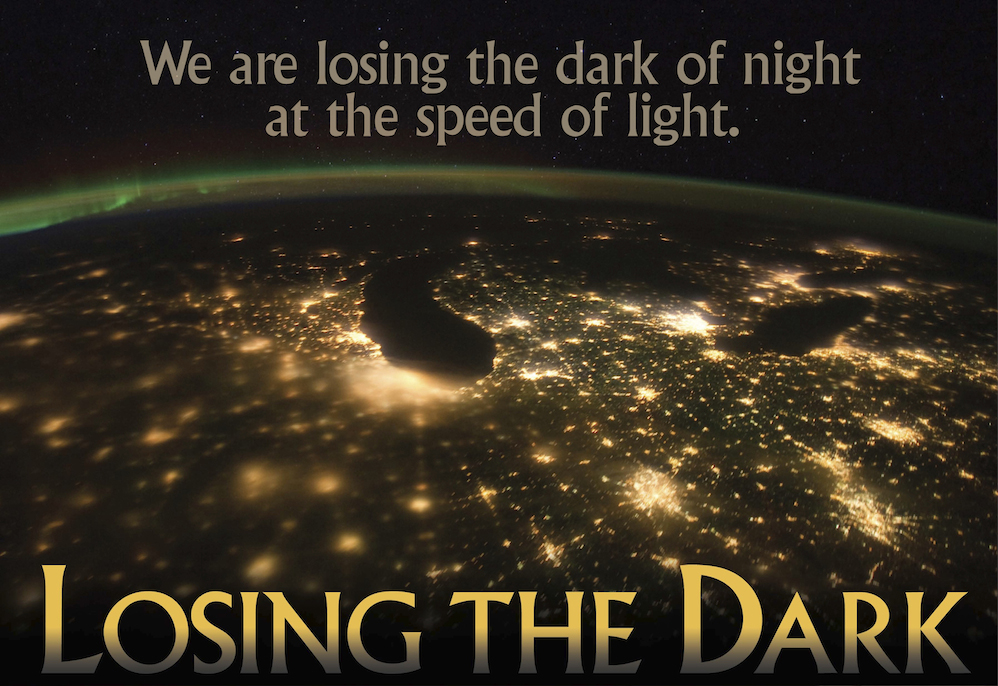
Above: Click (tap) on the image for a short, informative,
award-winning video on
light pollution.

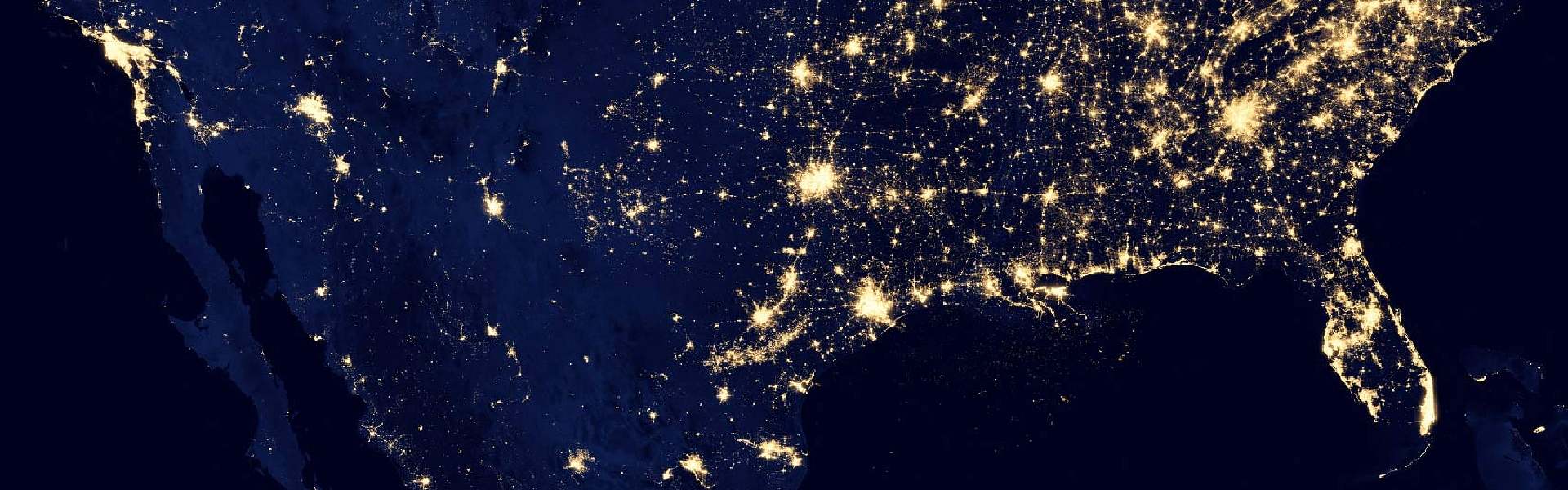
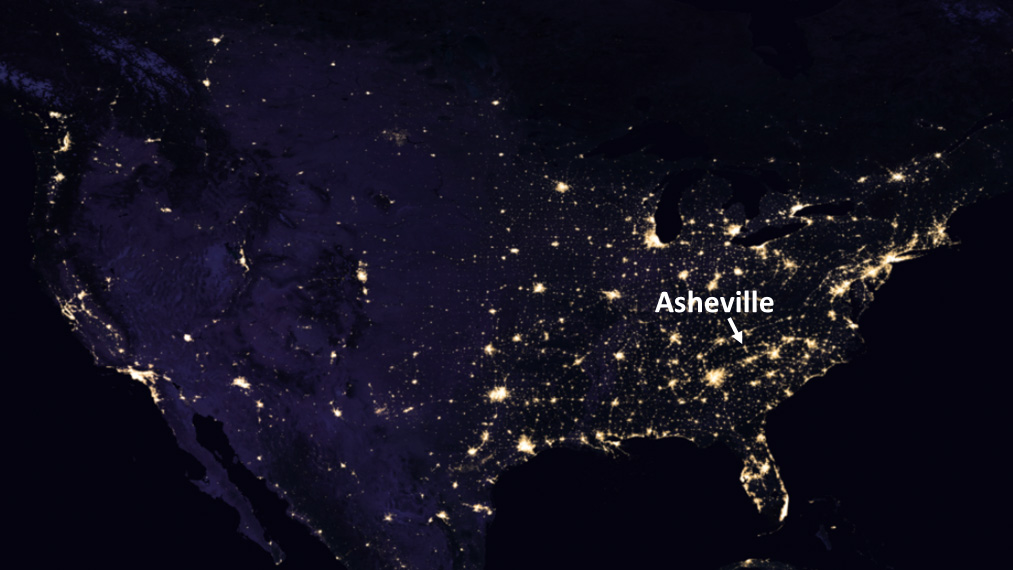
Click (tap) to enlarge this 2017 NASA image of the US at night.
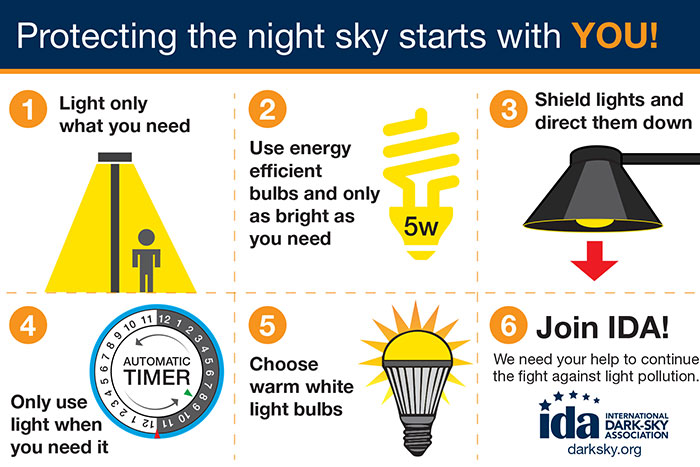
Light pollution is stealing the night from all of us, and, despite the growing concern over our carbon footprint, we are still over-lighting our communities with inefficient and glaring light fixtures. This is an international problem. Once a source of wonder (and one-half of the entire planet’s natural environment), the star-filled nights of just a few years ago are vanishing in a yellow haze.
Human-produced light pollution mars our view of the stars, and poor lighting threatens astronomy, disrupts ecosystems and wildlife, affects human health and circadian rhythms, creates unsafe glare and light trespass, contributes to climate change, and wastes money and energy to the tune of $2.2 billion per year in the U.S. alone.
“Technology hath vanquished
the night!”
– Edward Abbey
Above: Click (tap) on the image for a short, informative,
award-winning video on
light pollution.
“The night sky, filled with stars, is celebrated and protected around the world as a shared heritage benefiting all living things”.
– DSI vision statement