
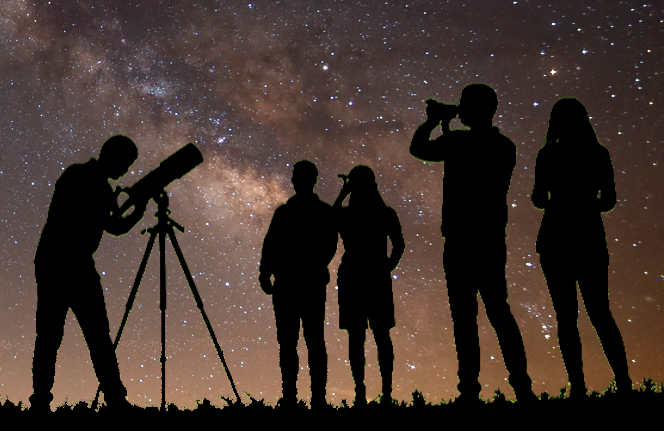
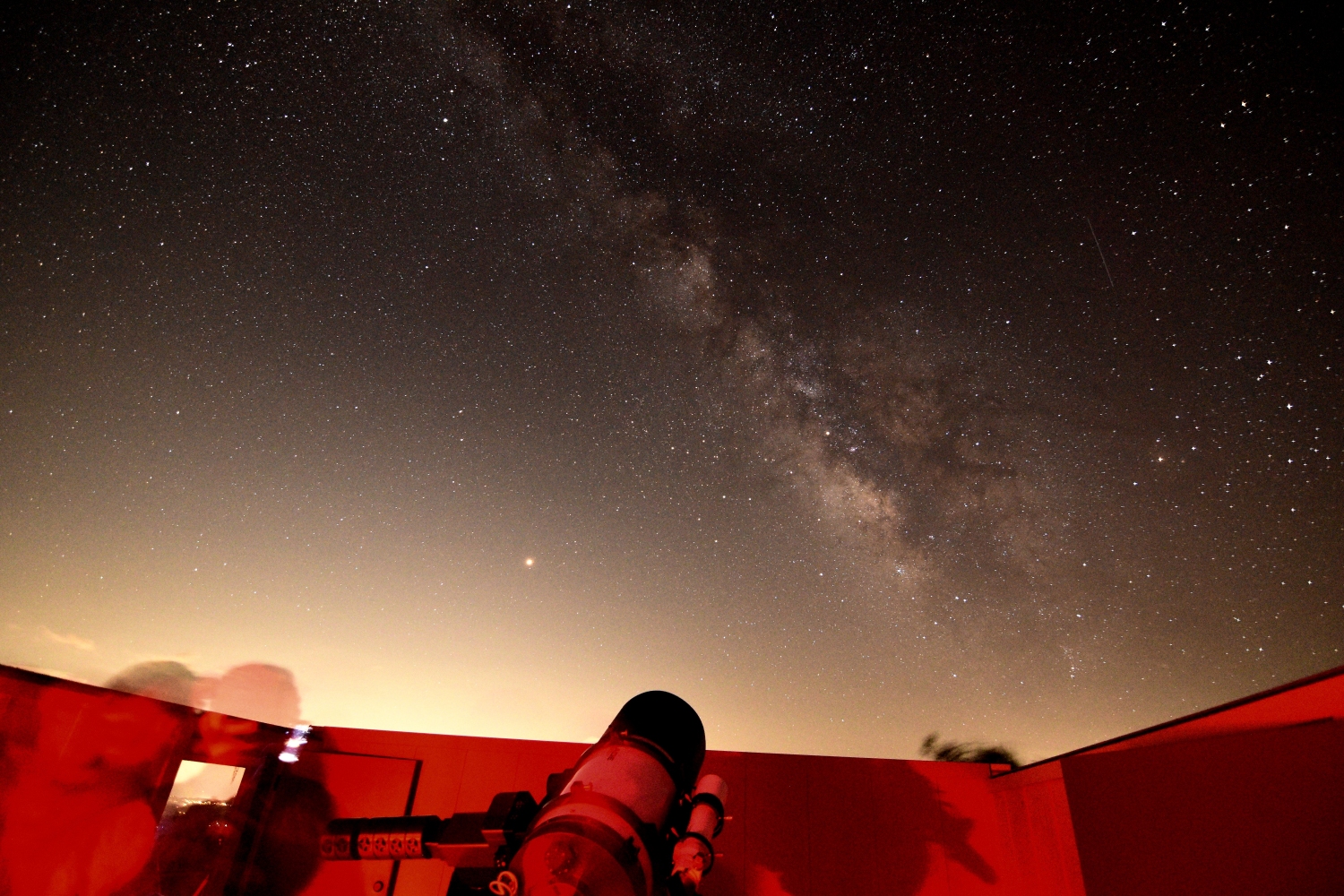
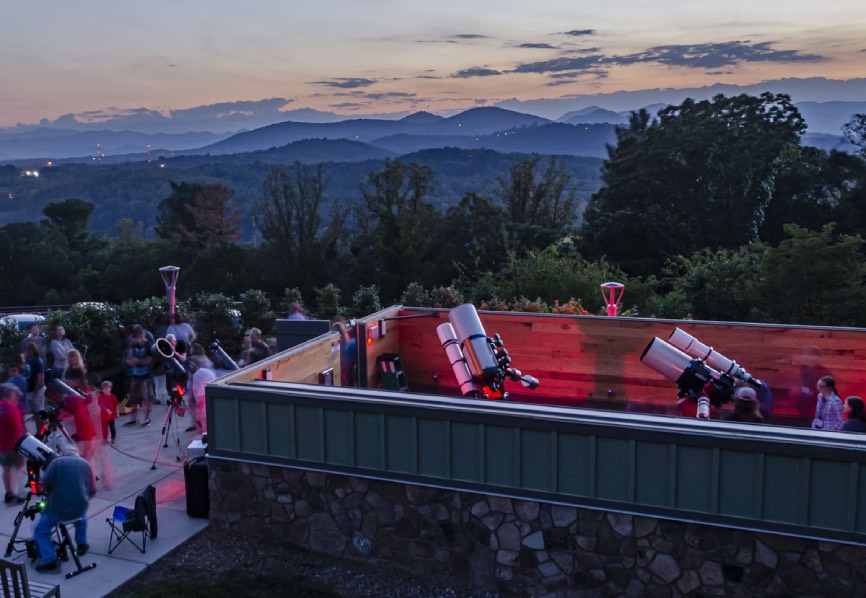

We are a 501(c)(3), non-profit, all-volunteer, educational organization dedicated to helping people of all ages understand and enjoy astronomy. No equipment is needed to participate. Our indoor meetings and outdoor star gazes provide many opportunities for sharing our passion for the night sky.
Continue to check this home page as weather could change the venue or postpone and possibly cancel a star gaze.
Check again after 4:00 p.m. on the afternoon of the observing session for the latest info and update.
For more information about star gazes and to find a complete list of public star gazes for the calendar year, use this link.
October 2, 12:15 p.m. update:
Click/tap on the “Find out more” link below for more details.
Venue: Grassland Mountain Observatory in Madison County, with a weather backup night of Saturday, October 31
October 9, 11:30 a.m. update:
Click/tap on the “Find out more” link below for more details.
Venue: Lookout Observatory on the UNC-Asheville campus, with a weather backup night of Saturday, November 7
Presented by: Bray Falls,
Starfront Observatories
Sky Events
Find a more complete list of current and upcoming sky events for the Asheville region at this Sky Events club website page.
Resources
Find a more complete list of resources at this Astronomy Resources club website page.