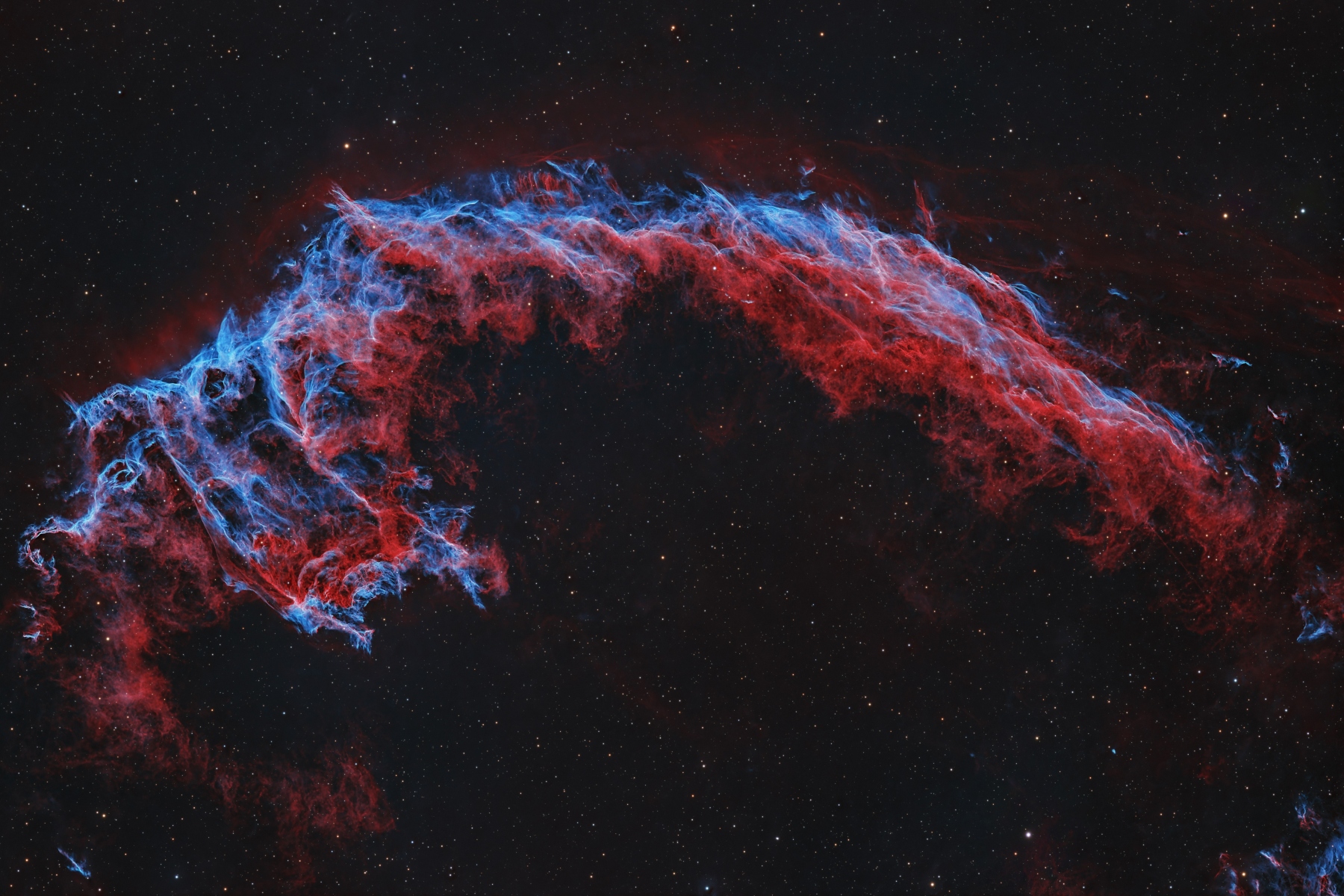
This is the Eastern Veil Nebula, NGC6992. It's part of the greater Veil Nebula in Cygnus which is a supernova remnant. Photo by club member David Krause.
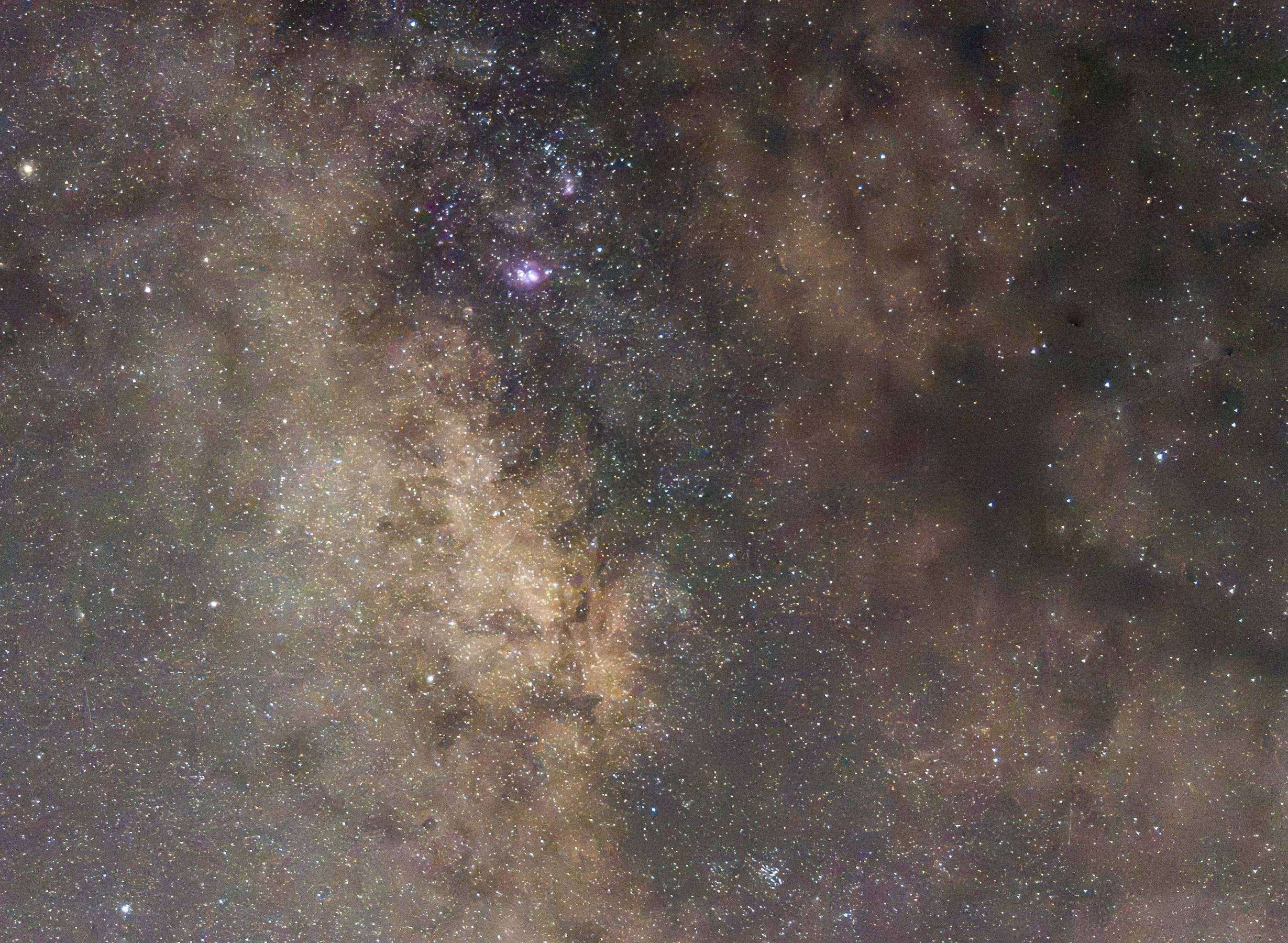
This is the Milky Way Galactic Core as captured by club member Alan Davis.
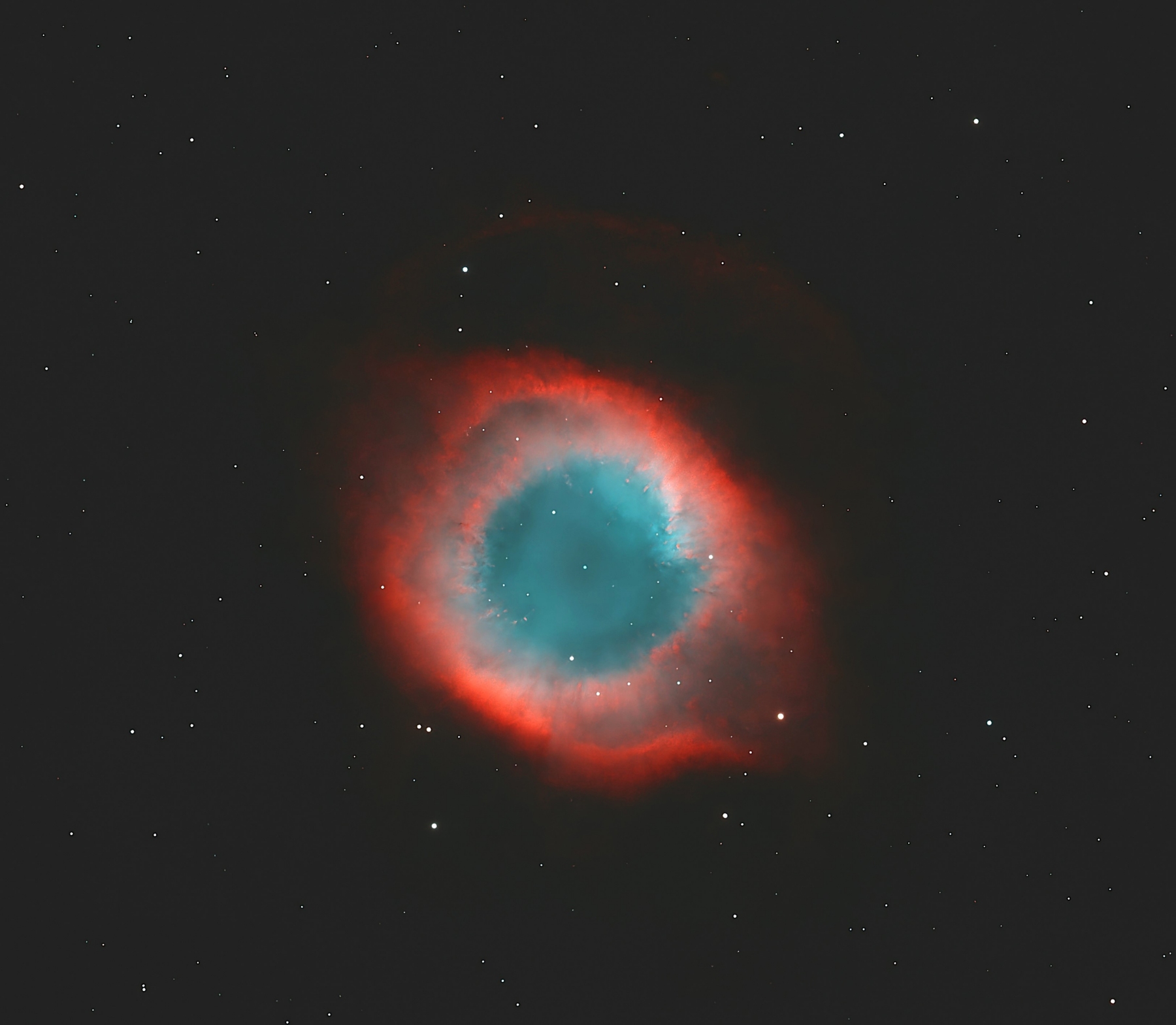
NGC 7293, the Helix Nebula, is a very large planetary nebula, with its bright ring stretching across nearly three light-years and dimmer, outer features extending even farther. It lies about 650 light years from Earth in the constellation Aquarius. Photo by club member Vince Castello.
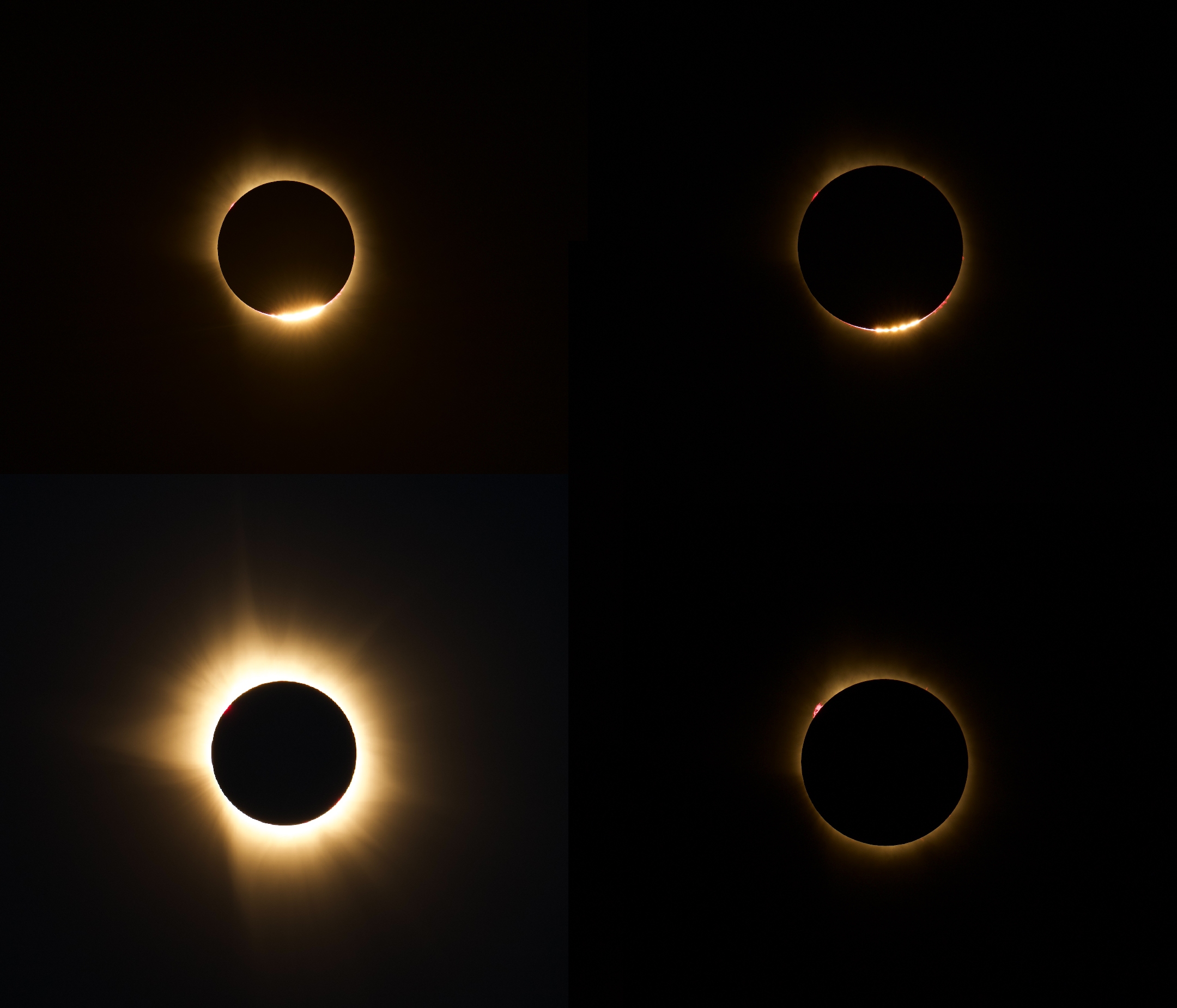
The August 12, 2026 Total Solar Eclipse, from Leon, Spain. Photos by club member Knox Worde.
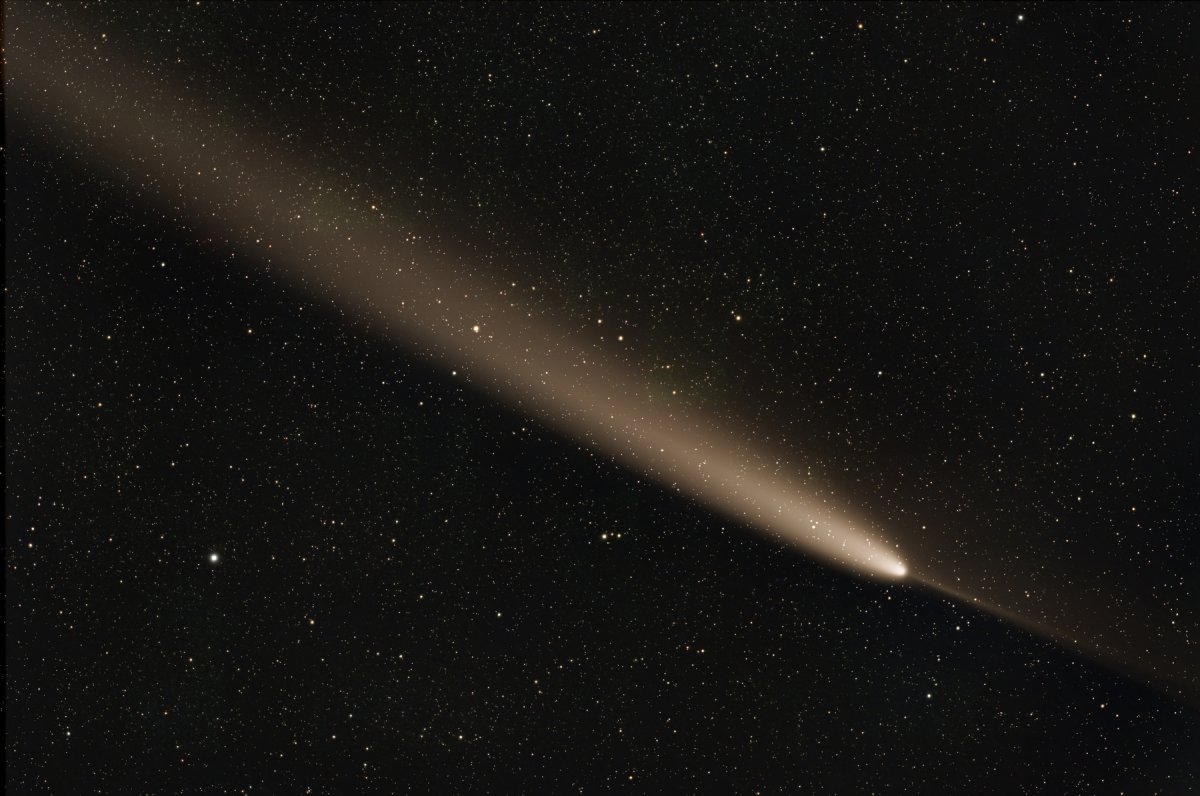
Comet_C2023_A3 Knox Worde
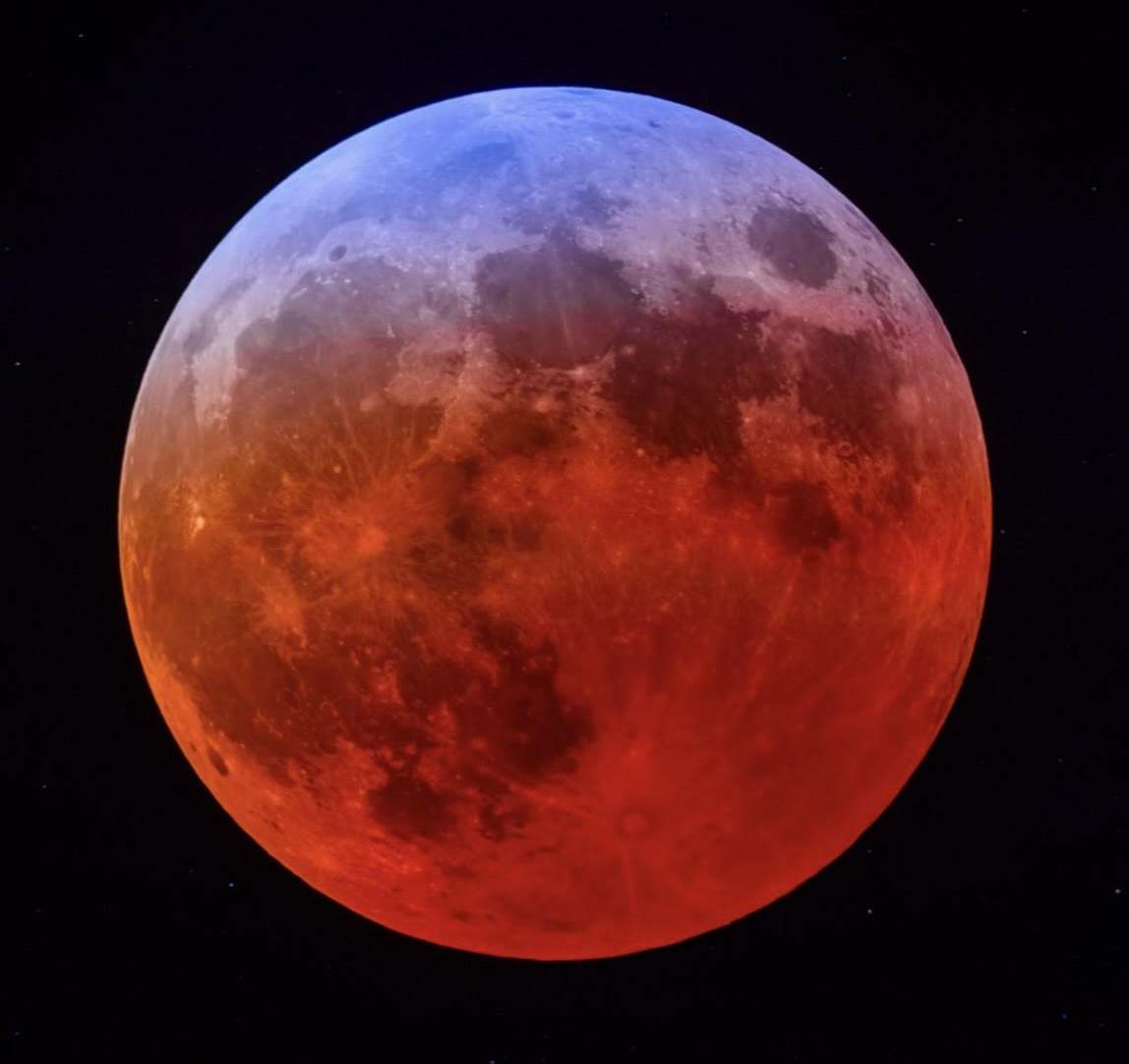
Single 5 second exposure of the total lunar eclipse from an iPhone 13 and 5” Maksutov Cassegrain, using the iPhone’s editing software. The bluish color in this image is a natural phenomenon from the Earth’s atmosphere. Photo by club member Shawn Keene.
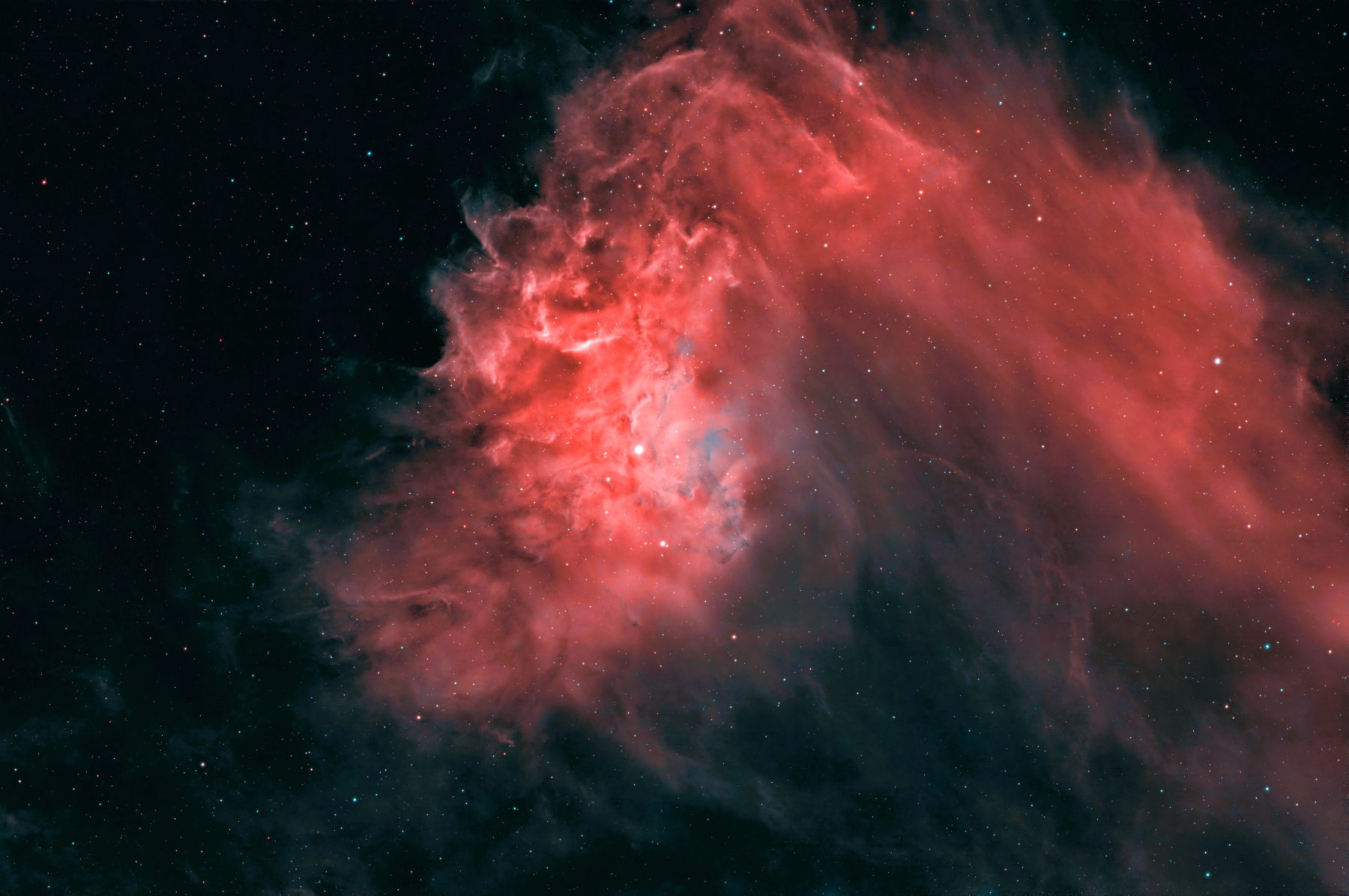
The Flaming Star Nebula is a combination emission/reflection nebula in the constellation Auriga, about 1,500 light-years from Earth. It spans roughly 5 light-years across and appears as a glowing, flame-like structure illuminated by the star AE Aurigae, the bright star just below of left of the image center. Photo by club member Vince Castello.
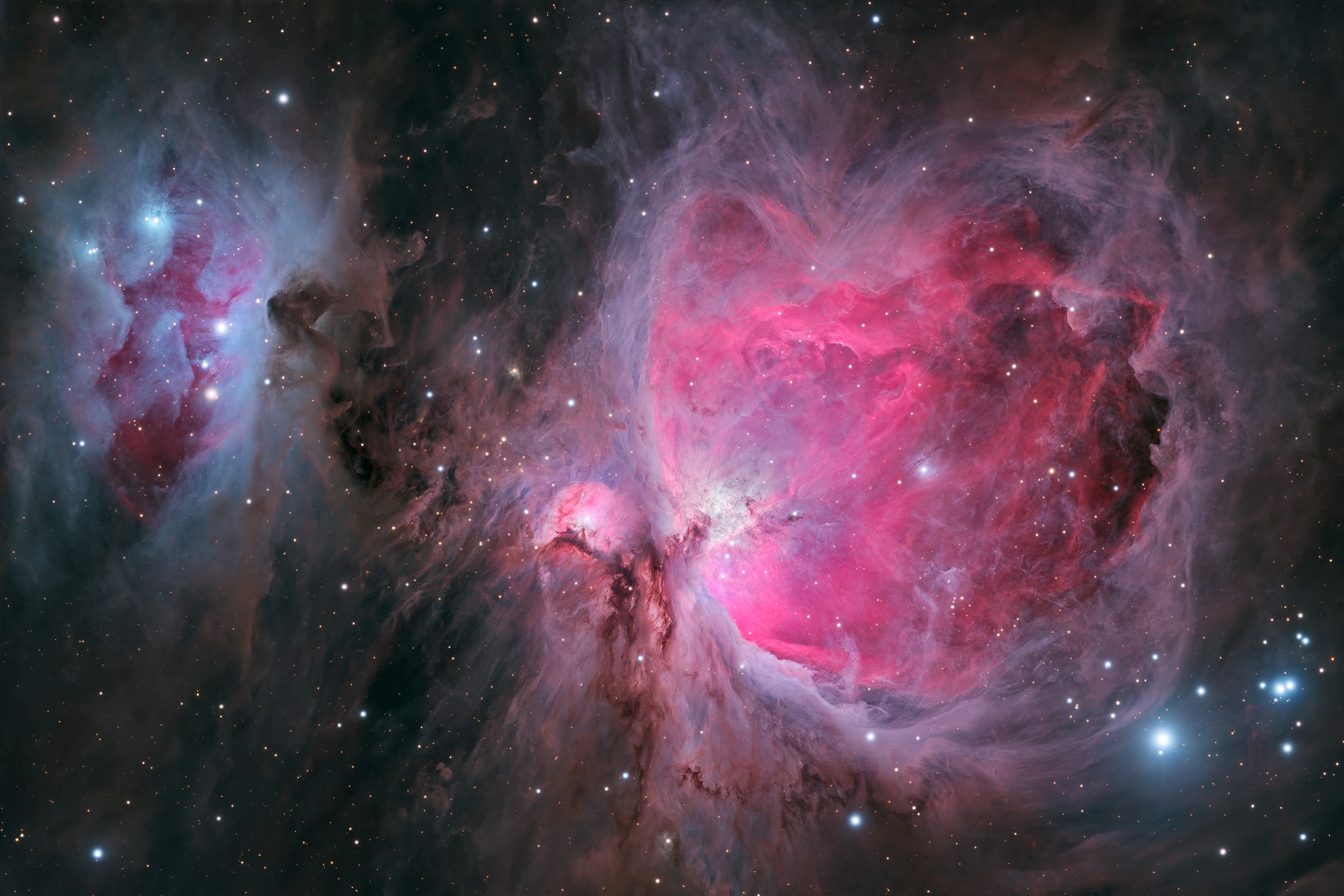
The Great Orion Nebula, also known as Messier 42, or NGC 1976, is a diffuse nebula in the Milky Way situated south of Orion's Belt in the constellation of Orion, and is known as the middle "star" in the "sword" of Orion. It is one of the brightest nebulae and is visible to the naked eye in the night sky. Photo by club member David Krause.
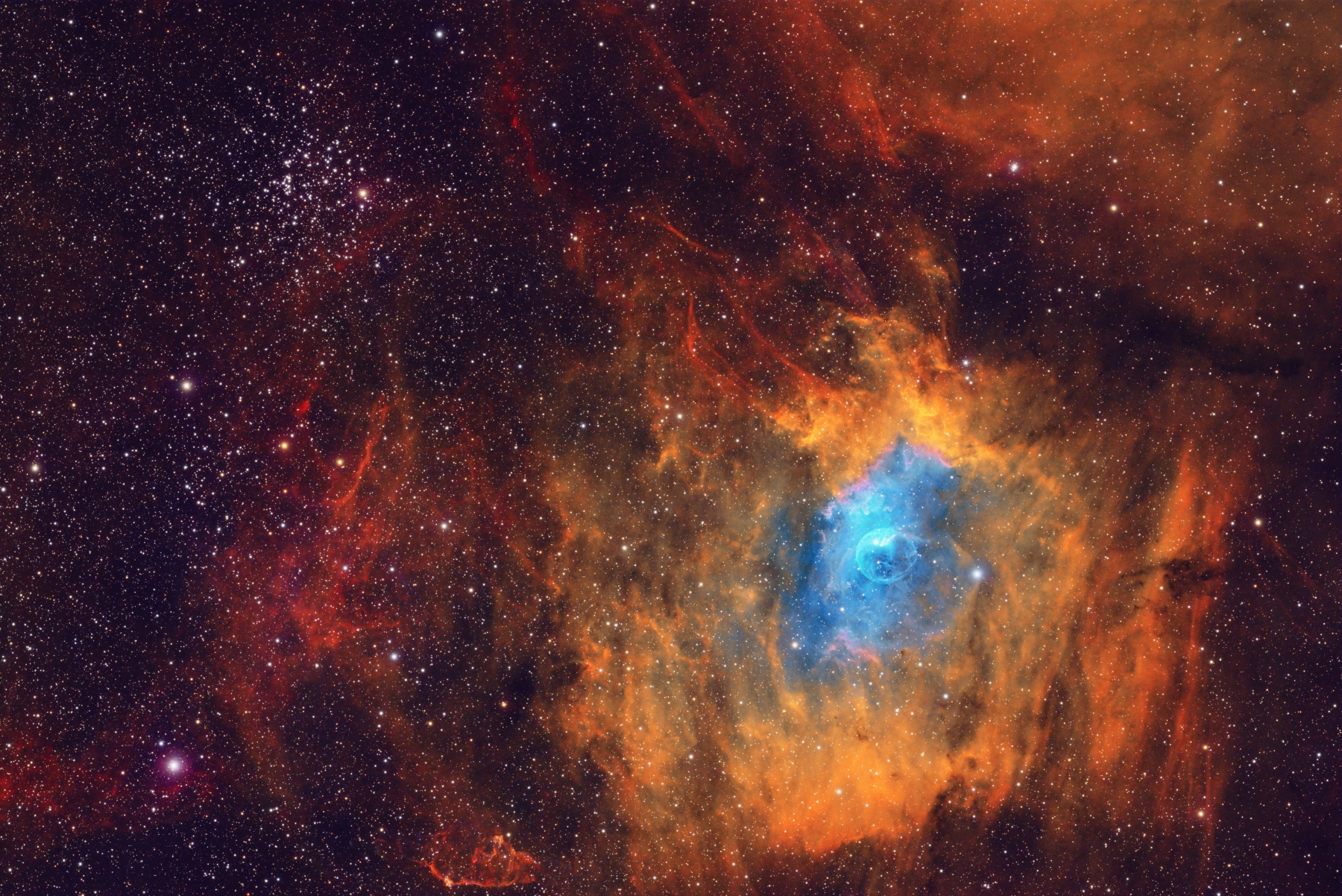
NGC 7635, the Bubble Nebula, with M52 in the top left. The Bubble Nebula is an emission nebula approximately 6 to 10 light years in diameter in the constellation Cassiopeia, located about 7,000 light years from Earth. M52 is the star cluster in the top left and is bright enough to be seen in binoculars. Photo by club member Tom Engwall using his remotely controlled setup in Castilléjar, Spain.
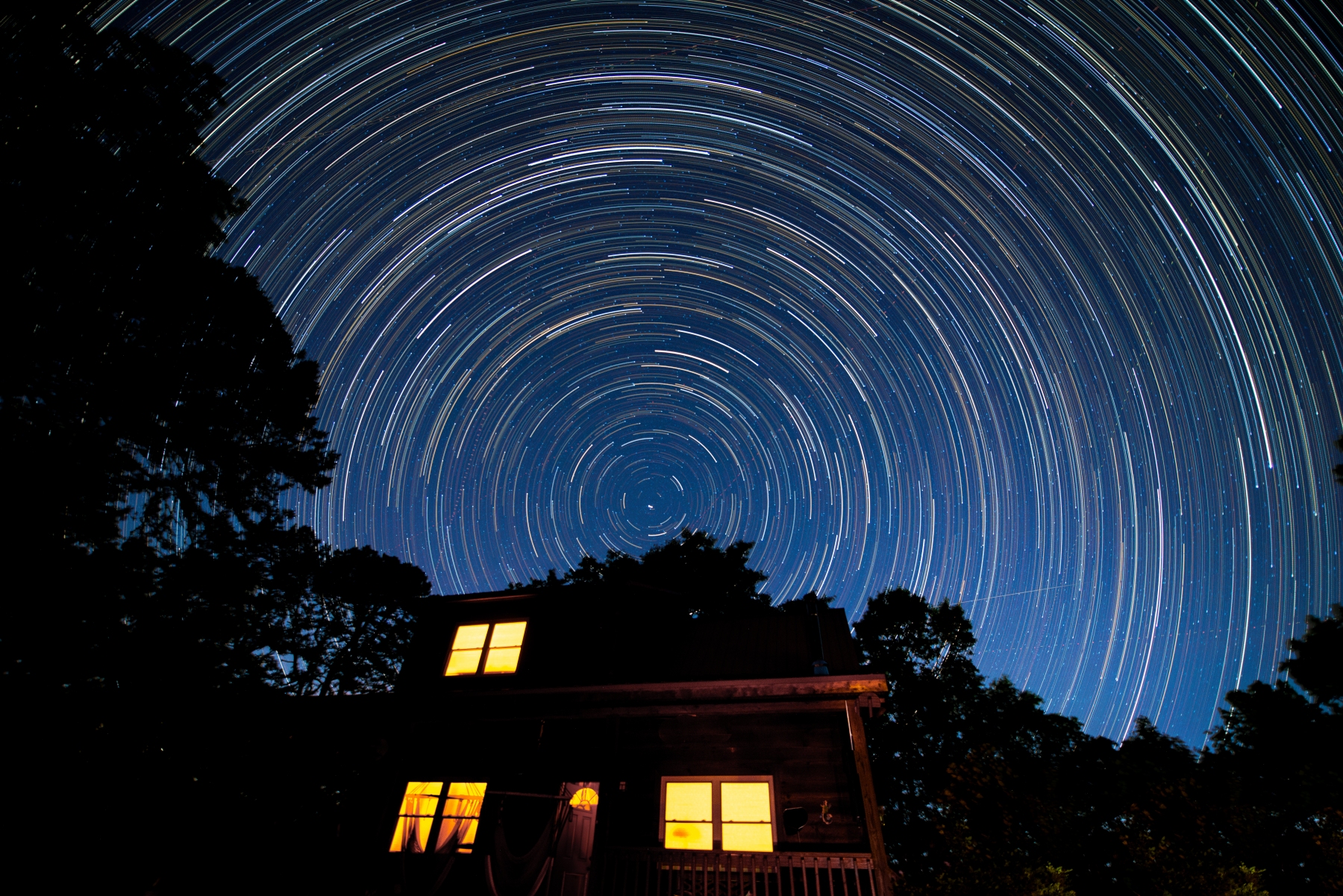
Star trails appear to be rotating around Polaris, the North Star, in this multiple long-exposure image of the photographer's house, which she calls "Home Sweet Home." Photo by club member Simone Lipscomb.
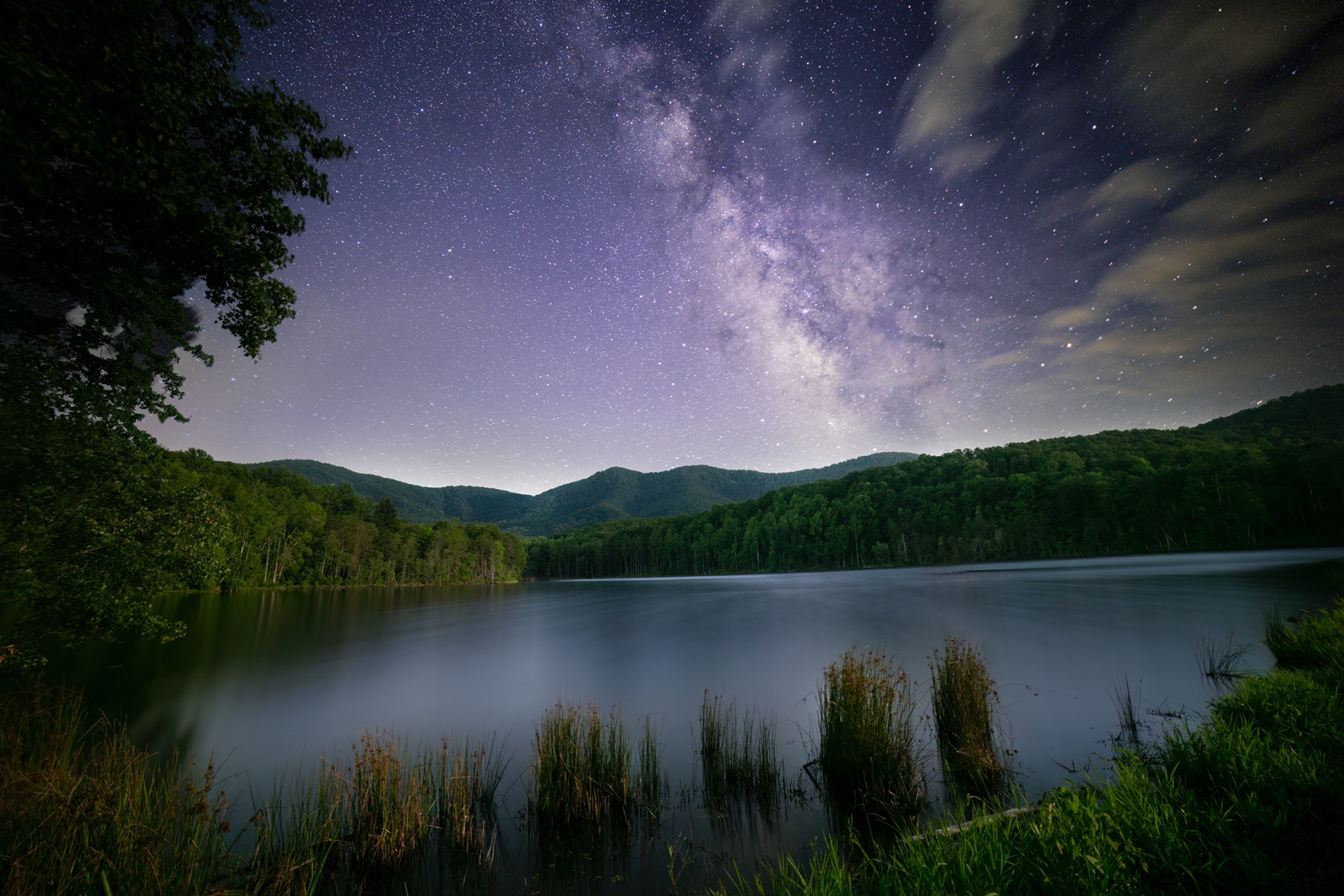
Composite photo of the Milky Way above the Broughton Hospital Reservoir near Morganton, North Carolina. Photo by club Member Tommy Wilkinson.

Jupiter, Mars and Saturn composite of three photos September, 2020 by club member Vince Castello.